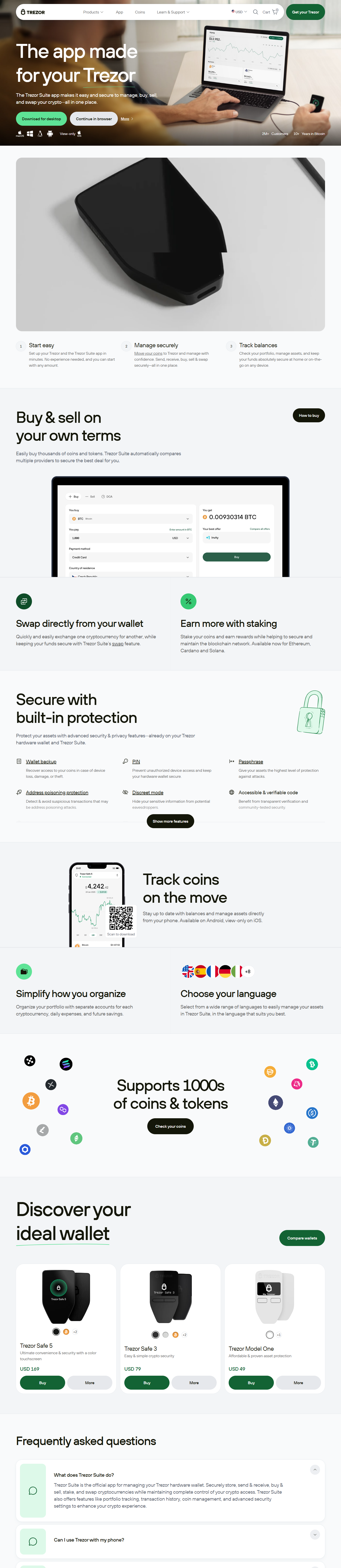
Trezor Login Guide: Securely Access and Manage Your Cryptocurrency
In the rapidly evolving world of cryptocurrency, security is paramount. With cyber threats like hacking, phishing, and malware on the rise, safeguarding your digital assets requires robust solutions. Trezor, a leading hardware wallet developed by SatoshiLabs, offers an industry-standard solution for securely storing and managing cryptocurrencies. The Trezor login process is a critical component of this ecosystem, providing a secure gateway to access your funds while keeping your private keys offline. This comprehensive guide will walk you through the Trezor login process, setup, security features, troubleshooting, and best practices to ensure your cryptocurrency remains safe and accessible.
What is Trezor?
Trezor is a hardware wallet designed to protect your cryptocurrency by storing private keys offline, away from internet vulnerabilities. Unlike software wallets or exchanges, which are susceptible to online attacks, Trezor ensures that your sensitive data never leaves the device. Supporting a wide range of cryptocurrencies, including Bitcoin, Ethereum, Litecoin, and many ERC-20 tokens, Trezor integrates seamlessly with the Trezor Suite app, a user-friendly interface for managing your assets. The login process is the first step to accessing this secure ecosystem, combining hardware-based authentication with intuitive software.
Why Use Trezor for Cryptocurrency Management?
Before diving into the login process, it’s worth understanding why Trezor is a preferred choice for millions of crypto users:
- Offline Security: Private keys are stored on the Trezor device, isolated from internet-connected devices, making it immune to remote hacks.
- User Control: Trezor eliminates reliance on third parties like exchanges, giving you full control over your funds.
- Recovery Options: With a recovery seed, you can restore your wallet even if the device is lost or damaged.
- Versatility: Trezor supports thousands of coins and tokens and integrates with third-party apps like MetaMask and Exodus.
- Ease of Use: The Trezor Suite app simplifies asset management, making it accessible for beginners and experts alike.
Setting Up Your Trezor Device
Before you can log in to your Trezor wallet, you need to set up the device. This process takes approximately 15 minutes and is crucial for ensuring your wallet is secure. Follow these steps to get started:
- Purchase a Genuine Trezor Device To avoid phishing or tampered devices, buy your Trezor from the official Trezor Shop (trezor.io) or an authorized reseller. Ensure the packaging is tamper-evident and authentic.
- Download Trezor Suite Visit suite.trezor.io and download the Trezor Suite app for your operating system (Windows, macOS, Linux, or web version). Avoid third-party sources to prevent malware risks.
- Connect Your Trezor Device Plug your Trezor into your computer using the provided USB cable. For Trezor Safe 5 or Model T, use a USB-C cable; for Trezor Model One, use a Micro USB cable. The device will power on and display a welcome message.
- Install Firmware If your Trezor is new, it will lack firmware. Trezor Suite will prompt you to install the latest firmware. Follow the on-screen instructions, confirming actions on the device to ensure security. This step is critical for enabling the device’s functionality.
- Create a New Wallet In Trezor Suite, select “Create new wallet” and choose “Standard seed backup.” The device will generate a 12- or 24-word recovery seed, displayed one word at a time on the Trezor screen. Write down the seed on the provided backup card and store it in a secure, offline location. Never store the seed digitally or share it with anyone.
- Set a PIN You’ll be prompted to set a PIN (recommended for security). The Trezor device displays a randomized keypad, and you enter the PIN by clicking corresponding positions on your computer or mobile screen. This prevents keylogging attacks. Confirm the PIN twice on the device.
- Optional Passphrase For advanced security, you can enable a passphrase, acting as an additional “25th word” for your recovery seed. This passphrase is not stored on the device and must be entered each time you log in. Store it separately from your recovery seed.
- Access Trezor Suite Once setup is complete, Trezor Suite will display your wallet dashboard, where you can view balances, manage accounts, and perform transactions.
The Trezor Login Process
Logging into your Trezor wallet is straightforward but designed with multiple layers of security to protect your assets. Here’s a step-by-step guide to logging in:
- Connect Your Trezor Device Plug your Trezor into your computer or Android device via USB. For iOS users, Trezor Suite Lite allows view-only mode to track balances, but transactions require a computer or Android device.
- Launch Trezor Suite Open the Trezor Suite desktop app or navigate to suite.trezor.io for the web version. Always verify the URL to avoid phishing sites. Trezor Suite will detect your connected device.
- Enter Your PIN A randomized keypad will appear on your computer screen, while the Trezor device displays the actual digit positions. Enter your PIN by clicking the corresponding positions on your computer or mobile device. This randomized system ensures that keyloggers cannot capture your PIN.
- Optional Passphrase Entry If you enabled a passphrase during setup, you’ll be prompted to enter it. This step is case-sensitive and must match exactly. Entering a different passphrase will access a different wallet, which can be used to create hidden wallets for added privacy.
- Authenticate on the Device Confirm the login request on your Trezor device by pressing the appropriate button (or tapping the touchscreen on Trezor Safe 5 or Model T). This physical confirmation ensures that only you can authorize access.
- Access Your Wallet Dashboard Once authenticated, Trezor Suite will display your wallet dashboard, showing your portfolio, transaction history, and options to send, receive, buy, sell, or swap cryptocurrencies.
Security Features of Trezor Login
The Trezor login process is designed to be highly secure, leveraging hardware-based authentication and cryptographic principles. Key security features include:
- Offline Private Keys: Your private keys never leave the Trezor device, protecting them from malware or hacking attempts.
- Randomized PIN Entry: The randomized keypad prevents keyloggers from capturing your PIN.
- Passphrase Protection: An optional passphrase adds an extra layer of security, making it nearly impossible for attackers to access your funds even if they have your recovery seed.
- Physical Confirmation: Transactions and logins require physical interaction with the device, ensuring deliberate and legitimate actions.
- Device Wipe on Failed Attempts: After multiple incorrect PIN entries, the device wipes itself, requiring restoration with the recovery seed. This protects against unauthorized access.
- Firmware Authentication: Trezor Suite verifies the device’s firmware to prevent the use of compromised devices.
Troubleshooting Common Login Issues
While the Trezor login process is user-friendly, you may encounter issues. Here are common problems and solutions:
- Device Not Detected
- Ensure the USB cable is functional and properly connected. Try a different USB port or cable.
- Update Trezor Suite and your device’s firmware to the latest versions.
- Check your computer’s USB drivers and permissions (especially on Linux).
- Forgotten PIN
- If you forget your PIN, the device will wipe after too many incorrect attempts. Use your recovery seed to restore your wallet on the same or a new Trezor device.
- Never share your recovery seed with anyone, including support agents.
- Firmware or Software Issues
- Ensure Trezor Suite and your device’s firmware are up to date. Outdated software can cause login failures.
- Reinstall Trezor Suite if you suspect corruption.
- Phishing Concerns
- Always access Trezor Suite via suite.trezor.io or the official desktop app. Verify URLs to avoid phishing scams.
- Never enter your recovery seed on any website or app.
- Passphrase Issues
- If you’ve enabled a passphrase and can’t access your wallet, double-check the spelling and case. A different passphrase will open a different wallet.
- If lost, you’ll need to restore your wallet using the recovery seed and re-enter the correct passphrase.
For persistent issues, contact Trezor Support through official channels or book a 1:1 onboarding session with a Trezor expert.
Best Practices for Secure Trezor Login
To maximize the security of your Trezor login process, follow these best practices:
- Use Official Software: Only download Trezor Suite from trezor.io or suite.trezor.io. Avoid third-party apps unless verified (e.g., MetaMask, Electrum).
- Enable Passphrase Protection: Add a passphrase for an extra layer of security, especially for high-value wallets. Store it separately from your recovery seed.
- Secure Your Recovery Seed: Write your recovery seed on the provided backup card and store it in a safe, offline location (e.g., a safe deposit box). Never take photos or store it digitally.
- Keep Firmware Updated: Regularly check for firmware updates in Trezor Suite to benefit from the latest security enhancements.
- Verify Device Authenticity: Ensure your Trezor is genuine by purchasing from official sources and checking for tamper-evident packaging.
- Use View-Only Mode Wisely: Trezor Suite’s view-only mode allows balance tracking without the device connected, but disable it when not needed to enhance privacy.
- Avoid Public Computers: Log in only on trusted, malware-free devices to prevent keylogging or other attacks.
Managing Your Assets with Trezor Suite
Once logged in, Trezor Suite provides a comprehensive platform for managing your cryptocurrency:
- Send and Receive Crypto: Generate a receiving address in Trezor Suite, verify it on your device, and use it to transfer funds from exchanges like Coinbase or Binance. Always confirm addresses on the device to avoid phishing.
- Buy, Sell, and Swap: Trezor Suite integrates with providers to buy crypto, swap between coins, or sell for fiat, all while keeping your funds secure.
- Portfolio Tracking: Monitor your balances and transaction history across multiple accounts and cryptocurrencies.
- Staking: Stake coins like Ethereum, Cardano, or Solana to earn rewards while maintaining security.
- Third-Party Integration: Use Trezor with apps like MetaMask or WalletConnect for DeFi and Web3 interactions, ensuring secure transaction signing.
Advanced Features: Trezor Connect and Passphrase Wallets
- Trezor Connect: This tool allows Trezor to integrate with third-party services, enabling secure transaction signing without exposing private keys. For example, you can connect Trezor to MetaMask for DeFi applications. Always verify the service’s legitimacy before connecting.
- Passphrase Wallets: By entering different passphrases, you can create multiple “hidden” wallets tied to the same recovery seed. This is useful for segregating funds or enhancing privacy. Be meticulous in recording passphrases to avoid losing access.
Recovering Your Wallet
If your Trezor is lost, stolen, or wiped, you can recover your wallet using the recovery seed:
- Purchase a new Trezor from the official shop or reseller.
- Connect the new device and open Trezor Suite.
- Select “Recover wallet” and enter your recovery seed words in the correct order.
- If using a passphrase, enter it to access the specific wallet.
- Set a new PIN and resume managing your assets.
Never share your recovery seed, even with Trezor support, as it grants full access to your funds.
Why Trezor Login Stands Out
The Trezor login process is a unique blend of security and simplicity. Unlike traditional online wallets that rely on passwords or 2FA, Trezor’s hardware-based authentication eliminates centralized vulnerabilities. The randomized PIN entry, physical confirmation, and optional passphrase ensure that your funds are protected even in worst-case scenarios like device theft or malware infection. By keeping private keys offline, Trezor offers peace of mind in an industry where security breaches are all too common.
Conclusion
Mastering the Trezor login process is the first step to securely managing your cryptocurrency. By following the setup and login steps outlined in this guide, you can confidently protect your digital assets from online threats. Trezor’s combination of hardware security, user-friendly software, and advanced features like passphrase protection and third-party integration makes it a top choice for crypto enthusiasts. Whether you’re a beginner or a seasoned investor, Trezor empowers you to take control of your financial future with unparalleled security.
Made in Typedream